Business
Nayara Energy Raises Petrol Price by ₹5, Diesel by ₹3 Amid Rising Global Oil Costs
By Ananya Varma
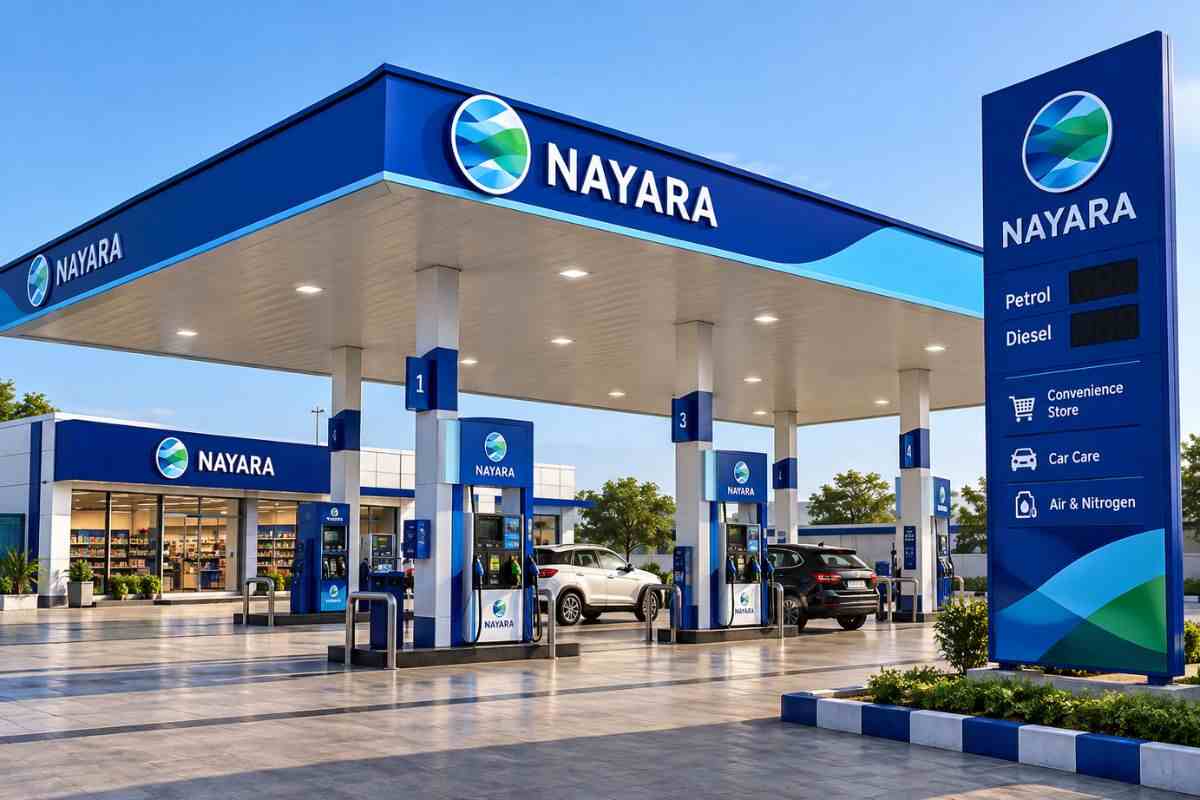
Nayara Energy has increased the prices of petrol by ₹5 per litre and diesel by ₹3 per litre across its nationwide retail network, as rising international crude oil and refined-product prices put pressure on fuel retailers.
The revised prices took effect from the early hours of October 3, 2026, according to industry sources. Nayara operates 7,108 fuel stations across India.
Why has Nayara Energy increased fuel prices?
The latest increase comes as international crude oil and refined petroleum-product prices have risen, increasing the cost of supplying fuel while domestic retail prices have remained comparatively lower.
The move is aimed at narrowing the gap between Nayara's retail prices and its higher procurement costs.
Private fuel retailers have faced increasing pressure because of the difference between international market-linked costs and domestic pump prices.
Petrol and diesel prices rise by ₹5 and ₹3
Under the latest revision, customers at Nayara outlets will pay:
- Petrol: ₹5 more per litre
- Diesel: ₹3 more per litre
The actual pump price varies by location because of differences in state taxes and other local charges.
In New Delhi, for example, Nayara's revised petrol price was reported at ₹107.12 per litre, while diesel was ₹98.20 per litre—₹5 and ₹3 above the corresponding state-run pump prices, respectively.
Nayara had cut prices in July
The latest increase follows an earlier reversal by the company.
In March 2026, Nayara had raised petrol prices by ₹5 per litre and diesel prices by ₹3 as international oil prices surged following geopolitical disruptions.
However, after crude prices subsequently eased, the company reversed the increase on July 1, cutting petrol by ₹5 and diesel by ₹3 per litre.
The October increase therefore marks a renewed attempt by the private fuel retailer to pass higher costs on to consumers.
State-owned fuel companies have largely held prices steady
Nayara's move comes at a time when state-owned oil marketing companies have largely kept retail petrol and diesel prices unchanged despite higher international energy costs.
Public-sector companies—including Indian Oil, Bharat Petroleum and Hindustan Petroleum—account for more than 90% of India's fuel-pump network.
This could temporarily create a larger price difference between Nayara outlets and state-owned fuel stations.
Fuel retailers facing margin pressure
The gap between retail and international fuel costs has also affected the profitability of oil marketing companies.
Rating agency ICRA estimated that oil marketing companies were facing negative marketing margins of around ₹8 per litre on petrol and ₹9 per litre on diesel in September.
ICRA also estimated that oil marketing companies were losing approximately ₹530 crore per day across petrol, diesel and LPG amid elevated crude prices and relatively unchanged retail fuel prices.
Government had warned private retailers against restricting fuel sales
The price increase follows a period of supply and pricing pressure at private fuel stations.
On October 1, the government warned private fuel retailers, including Nayara Energy and Jio-bp, against restricting petrol and diesel sales at their outlets. The government said such unilateral sales restrictions were not acceptable.
One factor behind the pressure was the difference between retail and bulk diesel prices, which encouraged some industrial consumers to purchase fuel from retail outlets at lower prices.
What does the hike mean for consumers?
For motorists using Nayara stations, the immediate impact is straightforward: petrol now costs ₹5 more per litre and diesel ₹3 more per litre.
If higher international oil prices persist and other fuel retailers also pass increased costs on to consumers, the impact could extend beyond fuel bills. Higher transportation and logistics costs could eventually put pressure on freight rates and prices of goods and services.
However, the extent of the broader impact will depend on how long global crude prices remain elevated and whether other oil marketing companies revise their retail prices.
For now, Nayara Energy's latest move highlights the growing pressure on Indian fuel retailers as international energy costs rise while domestic pump prices remain relatively controlled.