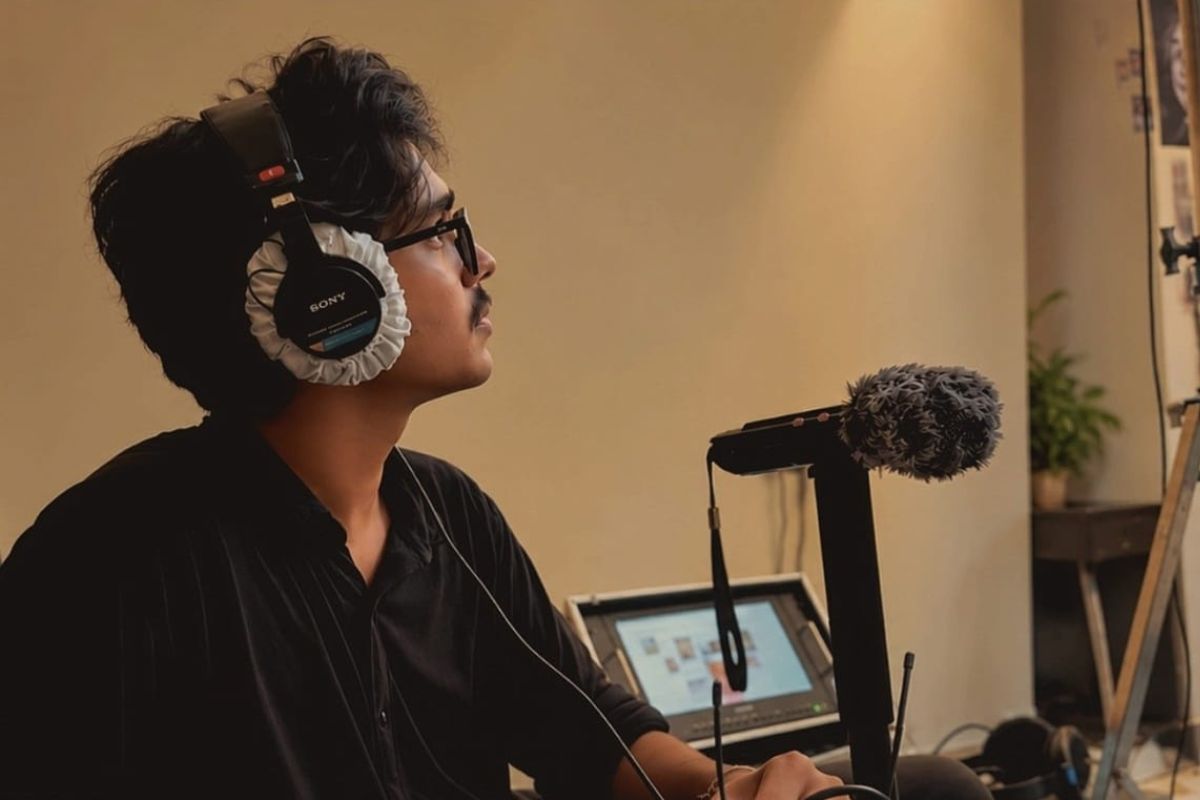
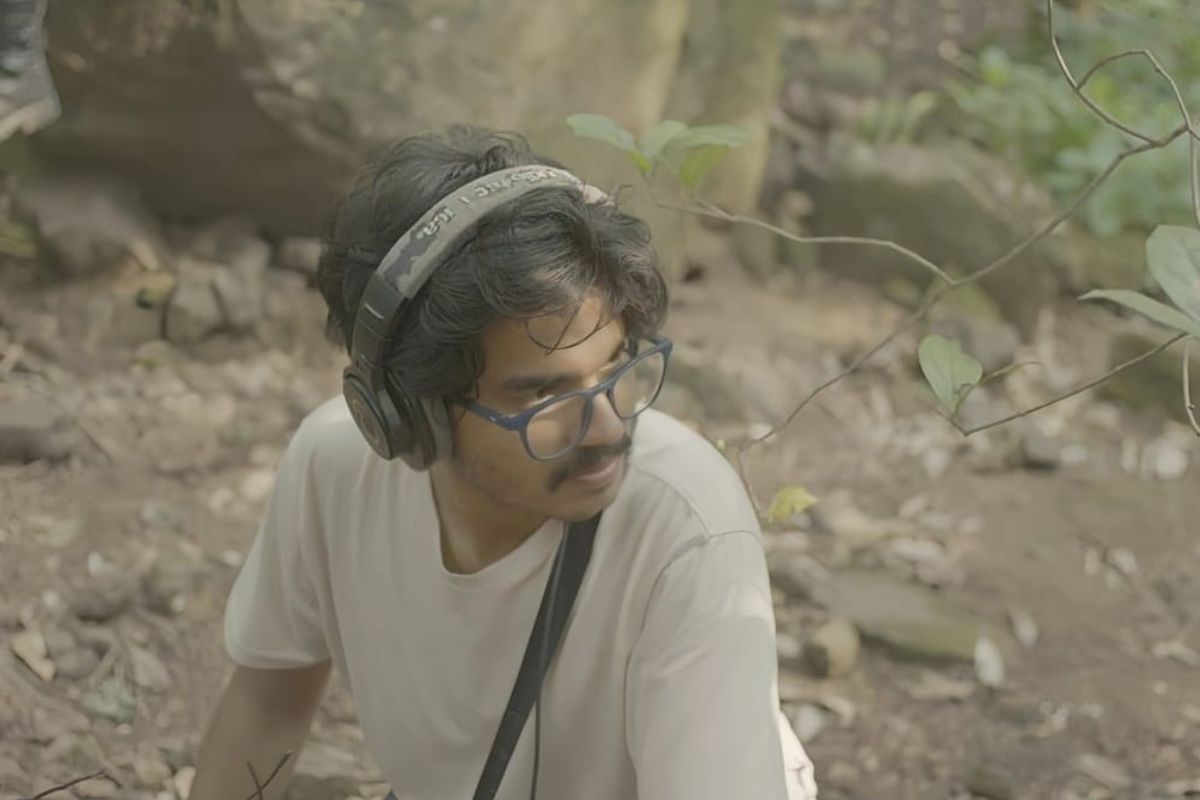
Dushyant Shah: Behind the Sound, Beyond the Screen
Through Manipulate Audio Library, a venture of Manipulate & Family, sound professional Dushyant Shah combines creative expertise with a long-term vision for authentic Indian soundscapes.
MUMBAI, October 15, 2026: Cinema is often remembered for its performances, visuals and storytelling. Yet, the experience of watching a film is equally shaped by what audiences hear. The clarity of a conversation, the atmosphere of a location and the smallest details in a soundtrack can influence how a scene feels and how deeply its story connects with viewers.
Behind this experience is a team of sound professionals whose work requires technical precision, creative judgement and close collaboration with other departments.
For Dushyant Shah, a sound engineer, Production Sound Mixer, Supervising Sound Editor and Re-recording Mixer, sound is more than a technical component of filmmaking. It is an essential part of storytelling, one that demands both creative sensitivity and professional discipline.
Through his work in film sound and his entrepreneurial initiatives under Manipulate & Family, Shah is exploring how technical expertise, original audio resources and responsible professional practices can contribute to the continued development of India's film and audio industry.
One of his key initiatives, Manipulate Audio Library, reflects this vision by focusing on original, high-definition Indian ambience recordings for professional film and media productions.
His approach brings together two closely connected interests: improving the resources available to sound professionals and encouraging a working environment in which their contributions are understood, valued and respected.
The Craft of Film Sound: Where Technical Precision Meets Storytelling
Creating a compelling soundtrack involves much more than recording dialogue or adding sound effects. It requires an understanding of the story, the director's creative intentions and the emotional atmosphere each scene needs to communicate.
From production sound and dialogue editing to sound design, ambience, automated dialogue replacement (ADR) and re-recording mixing, every stage contributes to the final listening experience.
As a Supervising Sound Editor and Re-recording Mixer, Dushyant Shah works with different elements of audio post-production, bringing them together into a soundtrack that supports the film's narrative and visual language.
The process requires attention to detail, particularly when productions undergo editorial changes, need additional language versions or have to meet specific technical delivery requirements.
A change in the picture edit, for example, may affect dialogue synchronisation, sound effects, ambience and the final mix. Addressing such changes requires coordination between departments, careful planning and a clear understanding of the revised requirements.
Shah recognises that creative changes are a natural part of filmmaking. A film evolves throughout production, and sound teams must often adapt to support that evolution.
What matters is having the right communication and workflow in place.
When creative teams, producers and technical departments share information early, they can anticipate potential challenges and manage changes more efficiently. Where revisions significantly expand the original scope of work, discussing the additional time and resources required can also help maintain both quality and realistic delivery schedules.
For Shah, these practical considerations are part of the craft itself. Technical excellence depends not only on individual expertise but also on collaboration, planning and a shared commitment to the finished film.
Manipulate Audio Library: Bringing India's Soundscapes to Professional Productions
Dushyant Shah
India's soundscape is remarkably diverse. The rhythm of a busy marketplace, the atmosphere of a railway station, the character of a residential neighbourhood and the subtle sounds of everyday life can each communicate something distinctive about a place.
For filmmakers, these sounds are not merely background elements. They can establish a setting, strengthen a scene's authenticity and help audiences connect with the world unfolding on screen.
However, finding the right recording for a particular location, mood or production requirement can be challenging. Sound professionals need audio assets that are technically suitable, well organised and appropriate for the context in which they will be used.
It is this practical requirement that informs Manipulate Audio Library, a venture of Manipulate & Family focused on original, high-definition Indian ambience recordings for professional creative use.
The initiative reflects Dushyant Shah's understanding of how environmental sound contributes to storytelling. An authentic ambience can make a scene feel more grounded, while carefully selected recordings can help sound designers build convincing environments without distracting from the narrative.
Developing a useful audio library involves more than collecting recordings. It requires attention to recording quality, consistency, organisation and the needs of professionals who must locate and integrate suitable sounds into their workflows.
The emphasis on Indian environments also creates an opportunity to document the country's distinctive acoustic character through recordings intended for film and media applications.
For Shah, this work connects the technical discipline of sound recording with a broader creative purpose: making original Indian soundscapes more accessible to professionals who use sound to tell stories.
As audio production continues to evolve, specialised resources can play an important role in helping creative teams work more efficiently while retaining the detail and authenticity that make a soundtrack distinctive.
Through Manipulate Audio Library, Shah aims to contribute to this area of professional audio production by developing a resource shaped around the practical and creative requirements of filmmakers, editors, sound designers and mixers.
Manipulate & Family: Building Beyond Individual Projects
While Manipulate Audio Library has a specific focus on Indian ambience recordings, Manipulate & Family represents Dushyant Shah's broader vision of developing initiatives around sound, creativity and professional audio production.
The underlying idea is to build value that extends beyond a single assignment.
Film and media projects are often defined by individual deadlines and deliverables. However, professional growth also depends on developing resources, systems and expertise that remain useful across different productions.
This longer-term perspective informs Shah's approach to both his professional work and his entrepreneurial efforts.
The audio library is one expression of that approach, bringing together original recordings and an understanding of how sound professionals work. Its development requires a balance between technical quality and practical usability, ensuring that the resource addresses real production needs.
For Shah, building something sustainable means understanding the people who will use it, the challenges they encounter and the standards they expect from professional audio resources.
It also means recognising that creative work and business development are closely connected. A strong idea must be supported by consistent execution, attention to detail and an understanding of the value it offers its intended users.
Through Manipulate & Family, his objective is to develop initiatives that can contribute meaningfully to the audio industry over time, rather than focusing exclusively on the immediate demands of individual projects.
Recognising the People Behind the Final Soundtrack
The collaborative nature of filmmaking means that a finished film represents the combined efforts of numerous professionals. Actors, directors, cinematographers, editors, sound teams and many other contributors bring different skills to a common creative goal.
While some roles naturally receive greater public visibility, the work of technical departments is equally important to completing a production.
Dushyant Shah believes that professional recognition should reflect the actual contribution made by each individual.
For sound professionals, this can mean working through demanding schedules, resolving technical challenges, coordinating with multiple departments and refining details that audiences may never consciously notice but that contribute to the overall experience.
The value of this work is not necessarily measured by how prominently a professional is featured in publicity. Accurate credits, clear responsibilities and appropriate acknowledgement are important ways of ensuring that the work is properly represented.
Shah approaches this subject as a matter of professional practice rather than competition between departments.
Every department contributes differently to a film, and recognition should reflect those differences. The objective is not to compare one contribution with another but to ensure that the final record of a production accurately represents the people and responsibilities involved.
This becomes particularly relevant in an industry where professionals may move between projects, production houses and teams throughout their careers. Their credits form part of their professional history, helping communicate their experience and the nature of their work.
Recognising contributions accurately also strengthens collaboration. When people understand each other's responsibilities and value the expertise involved, it becomes easier to build trust and maintain productive working relationships.
As India's film industry continues to serve audiences across theatrical releases, streaming platforms and regional cinema, Shah believes that professional recognition remains an important consideration in developing a stronger and more sustainable creative workforce.
Business Realities of Independent Work
Creative work has an artistic dimension, but for independent professionals, it is also a business.
Sound engineers and other film technicians may need to maintain studios, purchase and service equipment, renew software licences, pay assistants and manage other operating expenses. These commitments continue regardless of whether a particular project's payment has been received.
In this context, payment schedules and clear professional agreements become important parts of project planning.
Dushyant Shah highlights payment uncertainty as a practical concern that independent professionals can encounter while working across film and audio production. When an agreed payment takes longer than expected, it can affect cash flow, financial planning and the ability to commit to upcoming assignments.
Such situations can arise for different reasons, including administrative processes, production timelines and coordination between stakeholders. Addressing them constructively requires clear communication and realistic expectations on both sides.
Before a project begins, establishing agreed fees, payment milestones and expected timelines can help reduce ambiguity. If a delay occurs, timely communication and a clear update on the expected payment date can help professionals plan their commitments more effectively.
The objective is not to overlook the operational realities of film production. It is to ensure that those realities are managed alongside the commitments made to the people delivering the work.
For independent technicians, predictability matters because their professional responsibilities often extend beyond one production. For producers and production companies, transparent payment processes can help maintain dependable relationships with skilled collaborators.
Shah's perspective is that creative collaboration works best when professional commitments are treated with the same seriousness as creative and technical deliverables.
A healthy working relationship depends on both sides understanding their responsibilities, communicating openly and making reasonable efforts to honour agreed terms.
For professionals entering the film industry, developing strong technical skills is only one part of building a long-term career.
The ability to communicate clearly, work collaboratively, manage deadlines and maintain quality under pressure is equally important. Understanding project requirements, documenting agreements and planning finances can also help independent professionals navigate the business side of creative work.
Dushyant Shah emphasises the importance of consistency and professional discipline.
Film and audio production can involve changing schedules, evolving creative requirements and periods of intense work. Professionals who learn to adapt while maintaining their standards are better equipped to handle these demands.
Financial planning is another practical consideration, particularly for freelancers and independent technicians whose income may vary between projects. Maintaining adequate reserves where possible, understanding payment terms and accounting for recurring business expenses can help manage periods of uncertainty.
At the same time, sustainable careers are not built by individual effort alone. They also benefit from clear communication, realistic scheduling, fair agreements and working relationships in which expertise is respected.
These considerations are relevant not only to established professionals but also to those beginning their careers and learning how the industry operates beyond the technical aspects of their craft.
For Shah, the aim is to approach professional growth with a balance of creative ambition, practical understanding and responsibility.
This outlook also informs his efforts to develop Manipulate Audio Library through Manipulate & Family, where the long-term objective is to create resources that address practical needs within professional audio production.
Professional discipline is often shaped by experiences that extend beyond the workplace.
For Dushyant Shah, his father's influence has been an important part of developing his understanding of responsibility, consistency and business ethics.
Observing these qualities helped shape his belief that professionalism involves more than delivering a successful outcome. It also means honouring commitments, approaching decisions thoughtfully and accepting responsibility for the work undertaken.
These principles influence how he approaches both audio production and entrepreneurship.
In sound, attention to detail and technical competence are essential. But the ability to work reliably with others, communicate clearly and manage responsibilities is also central to completing a project successfully.
Similarly, building a professional initiative requires patience, consistency and an understanding of the value being created.
For Shah, these qualities are interconnected. The standards applied to the finished work should also be reflected in the process behind it.
This perspective connects his responsibilities in film sound with the broader ambitions of Manipulate & Family, where reliability, quality and long-term value remain important considerations.
Looking Ahead: A Long-Term Vision for Indian Audio.
The future of film sound will continue to be shaped by new technologies, changing production methods and the expanding range of platforms through which audiences experience stories.
As productions become increasingly diverse in format, language and technical requirements, access to suitable audio resources and effective collaboration between departments will remain important.
Original environmental recordings can help sound professionals create more convincing settings, while organised audio resources can support more efficient workflows. At the same time, professional practices that encourage accurate credits, transparent communication and realistic project planning can help create a more dependable working environment.
Through Manipulate Audio Library, Dushyant Shah aims to contribute to the development of professional audio resources centred on India's distinctive sonic environments.
Through Manipulate & Family, he is working towards a broader vision of building initiatives that connect creative expertise with practical industry needs.
His perspective also reflects an understanding that the long-term development of film sound involves more than equipment, software or technical innovation. It depends on the people who bring these tools and resources to life, their ability to collaborate and the professional conditions that allow them to continue developing their skills.
For Shah, progress lies in bringing these elements together: creating useful resources, maintaining professional standards and recognising the contributions that make collaborative filmmaking possible.
Ultimately, Dushyant Shah's work is shaped by a simple but meaningful idea: good sound strengthens a story, while good professional practices help the people behind that sound continue telling stories.
Through his work in film sound and his initiatives under Manipulate & Family, he aims to contribute to an audio ecosystem in which creative quality, authentic sound resources and professional responsibility can grow together.